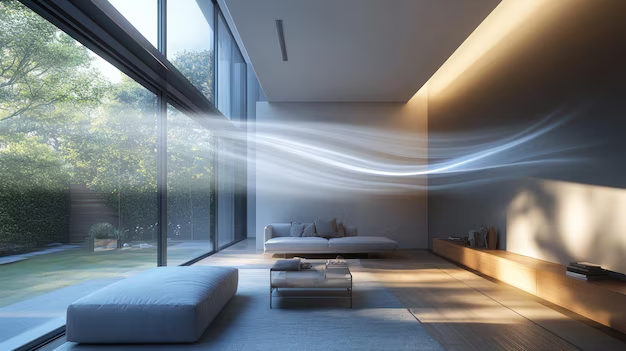
The air we breathe inside our homes and workplaces affects our health more than we realize. Indoor air contains dust, allergens, mold spores, and even invisible toxins. Breathing this polluted air daily can trigger several health problems. This is why many people now turn to indoor air quality solutions for protection.
Poor air indoors can be worse than outside air. Homes are often sealed to save energy, but this can trap harmful pollutants. These pollutants keep circulating without proper ventilation. Understanding indoor air quality is the first step toward a healthier life.
What Is Indoor Air Quality?
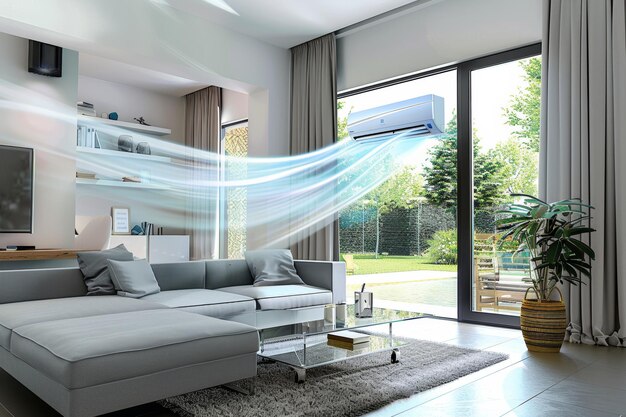
Indoor air quality, often called IAQ, refers to the condition of the air inside buildings. It includes how clean, fresh, and safe the air is to breathe. Good air quality means low levels of pollutants. Poor air quality means more allergens, chemicals, and toxins.
Factors like ventilation, humidity, and filtration affect IAQ. Activities such as cooking, smoking, and using household cleaners release pollutants. Even furniture and carpets can release chemicals into the air. Over time, these pollutants build up and impact our health.
Why Indoor Air Quality Matters for Health
Clean indoor air helps your lungs and overall health. Polluted indoor air increases the risk of asthma, allergies, and respiratory infections. Children and seniors are more sensitive to poor air. Long-term exposure may even lead to severe conditions.
Poor indoor air also affects mental health. People may feel more tired, stressed, or unable to concentrate. Studies show that productivity is higher in workplaces with clean air. In short, your body and mind function better with healthier air.
Common Indoor Air Quality Issues
There are many sources of indoor air pollution. Each can impact your health differently.
Dust and Allergens – These come from carpets, pets, and outside dirt.
Mold – High humidity encourages mold growth, leading to breathing issues.
Volatile Organic Compounds (VOCs) – Released from paints, cleaners, and furniture.
Carbon Monoxide – A colorless, deadly gas from gas stoves or heaters.
Poor Ventilation – Traps all pollutants indoors.
These issues combine to create an unhealthy environment. Without proper action, they only get worse over time.
Signs of Poor Indoor Air Quality
You may not always see the problem, but you can feel it. Watch out for these common signs.
Frequent sneezing or coughing indoors.
Headaches or dizziness at home or office.
Dry or irritated eyes, nose, and throat.
Musty smells that do not go away.
Increased allergy or asthma symptoms indoors.
These are early warnings that your air is not clean. Ignoring them can harm your health over the long term.
Benefits of Good Indoor Air Quality
Healthy indoor air provides many benefits. Let’s look at the major ones.
Better Breathing – Clean air reduces pressure on lungs.
Fewer Allergies – Less dust and pollen mean fewer flare-ups.
Improved Sleep – Fresh air helps you sleep more peacefully.
Higher Energy – Pure air makes you feel more alert.
Long-Term Health – Reduces risks of chronic illness.
These benefits show why indoor air quality solutions are essential. You not only feel better now but also protect your future health.
What You Need to Know About Indoor Air Quality
Before you take action, it is essential to understand a few basics. Indoor air changes constantly. It is affected by outdoor air, household habits, and ventilation. Controlling every pollutant is impossible. But you can reduce most of them with the right tools.
You should also know that no single fix works for all homes. A family with pets may need stronger filtration. A house in a humid area may need dehumidifiers. Customized plans are the most effective. That is why professional guidance is often recommended.
Key Aspects of Indoor Air Quality Solutions
Modern indoor air quality solutions cover many different aspects. Each plays a role in making your air healthier.
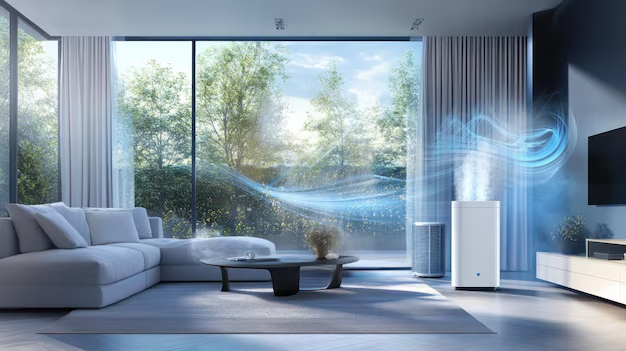
Air Purifiers – Remove dust, pollen, and toxins from the air.
Ventilation Systems – Allow fresh outdoor air to circulate inside.
Dehumidifiers – Keep moisture low to prevent mold.
Humidifiers – Add moisture in dry climates to prevent irritation.
Filters – High-efficiency filters trap more particles.
Monitoring Devices – Track humidity, toxins, and air particles.
Combining these tools ensures clean and balanced air.
Steps to Improve Indoor Air Quality
Improving your air does not always require significant changes. Start small and build up.
Open windows regularly for fresh air.
Use exhaust fans in kitchens and bathrooms.
Keep your home clean and vacuum often.
Change HVAC filters every few months.
Control humidity with humidifiers or dehumidifiers.
Place indoor plants to refresh the air naturally.
If problems persist, explore professional indoor air quality solutions. They provide more advanced methods.
How to Choose the Best Indoor Air Quality Solutions
Choosing the right system is essential. Here are tips to help you decide.
Assess Your Needs – Look at your most significant problems first.
Check Reviews – Read what other customers say.
Look for Certifications – Products with standards like HEPA are safer.
Ask About Maintenance – Easy-to-maintain systems save money.
Compare Costs and Benefits – Balance quality with price.
The best indoor air quality solutions are the ones that fit your unique situation. Don’t just pick the cheapest option. Pick what keeps your family healthy.
The Role of Awareness and Lifestyle
Your lifestyle also affects air quality. Smoking indoors, burning candles, or using harsh cleaners can make the air worse. Simple changes in habits can create healthier air. Use natural cleaning products. Smoke outside. Choose furniture and paints that release fewer chemicals.
Awareness is the first step. Once you know what pollutes your air, you can avoid it. This makes indoor air quality solutions work even better.
Conclusion
The air you breathe indoors has a direct impact on your health. Pollutants like dust, mold, and chemicals are everywhere. Ignoring them can lead to allergies, breathing problems, and long-term illness. Taking action now can prevent these risks. With the right indoor air quality solutions, you can protect your family. Clean air improves sleep, energy, and overall well-being. It makes your home a safe place to live and grow. Choosing the right tools and experts ensures lasting results.