
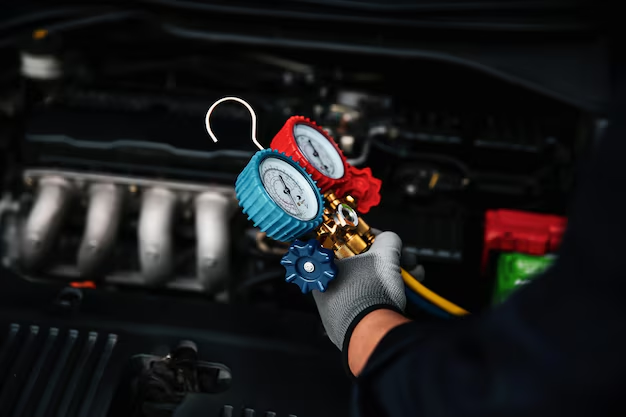
 Car AC problems are common for drivers in California during the hot and dry seasons. A working cooling system is not a luxury—it is a must for comfort and safety on the road.
When your car’s AC stops blowing cold air or starts making strange sounds, you may worry about how much the repair will cost. Many car owners and drivers are surprised to learn that AC repair prices can vary a lot depending on many factors.
In this guide, you will learn what affects the cost of car AC repair in California, why prices differ by area, and what you should expect before visiting an auto repair shop.
Why Car AC Repair Costs Different in California?
California has unique driving conditions, high temperatures, strict environmental rules, and wide price differences from one region to another.
These factors affect the price of car AC repair in California more than you might think. Parts, labor rates, refrigerant prices, and the type of car all play a role. Knowing these details can help you make smart choices and avoid surprise bills.
1. The Type of AC Problem or Damage
Not every AC issue is the same. Some problems are simple and cheap to fix. While others need expensive parts and many hours of labor.
Refrigerant Leaks
Leaks are one of the most common AC problems. If your system has a leak, mechanics must run tests, find the leak, seal it, and refill the refrigerant. Leak detection tools cost money to use, so this repair is not always cheap.
Compressor Failure
The AC compressor is the heart of the cooling system. When it fails, it is often the most expensive part to replace. The price depends on the car model and the compressor type. Luxury cars or imported cars usually have higher compressor costs.
Condenser or Evaporator Issues
These parts help cool the air before it reaches the cabin. They are located deep inside the vehicle, which makes the repair more complex. The harder a part is to reach, the more you pay in labor.
Electrical or Sensor Problems
Modern cars rely on sensors and electrical controls. When sensors fail, the AC may stop working even if the main parts are fine. Electrical tests and diagnostics add to the repair cost.
2. Type, Make, and Age of the Vehicle
Your car’s make and model can impact prices of car AC repair in California. They include luxury brands, hybrids, electric cars, older models, and foreign imports.
Luxury cars (BMW, Mercedes, Audi) often use special AC parts that cost more.
Hybrid and electric vehicles use advanced AC systems that require certified technicians.
Older vehicles may have worn-out hoses or outdated refrigerant types, raising repair costs.
OEM (original manufacturer) parts for these vehicles also tend to cost more than standard aftermarket parts.
3. Cost of Parts: OEM vs Aftermarket
Car AC repair in California pricing depends on the parts your mechanic uses.
OEM Parts These parts come straight from the vehicle manufacturer. They are reliable but more expensive.
Aftermarket Parts These are third-party parts that cost less but vary in quality. Some shops offer both choices, and the price difference can be significant.
Parts availability also affects cost. If a part must be shipped or is hard to find in California, the price may be higher.
4. Labor Rates Across California
Labor is one of the biggest drivers of AC repair costs. The hourly rate for a mechanic can vary depending on location.
Los Angeles, San Diego, and the Bay Area usually have the highest labor rates.
Inland Empire, Fresno, and smaller cities tend to have lower prices.
Shops with ASE-certified technicians or strong reputations may charge more, but they also provide higher-quality work.
5. Refrigerant Type and Quantity
Modern cars use two main refrigerants:
R134a – older, cheaper
R1234yf – newer, environmentally friendly, but more expensive
California has strict rules around refrigerant handling, which makes service more costly than in other states. Newer cars that use R1234yf often cost much more to recharge because the refrigerant itself is expensive and requires special equipment.
6. Diagnostic Testing Fees
Before repairing your A in your vehicle, the shop must run diagnostic tests. These tests may include:
Pressure checks
Leak detection tests
Electrical scans
Sensor checks
This step helps find the root cause of the problem. Diagnostic fees vary from shop to shop, but most California auto AC tests range. While some drivers try to skip this step, it is important because it prevents misdiagnosis and unnecessary repairs.
7. Location and Local Market Conditions
Where you live in California matters. Car AC repair in California in the Bay Area or Los Angeles is more expensive because:
Rent for shops is higher
Labor costs are higher
Traffic and heat increase AC wear
Meanwhile, areas like Lake Elsinore, Riverside County, Bakersfield, and Modesto generally offer more affordable auto repair pricing.
Competition also affects cost. Areas with many repair shops often have slightly lower prices.
8. Environmental and Safety Rules in California
California has some of the strongest air quality and environmental rules in the country. These rules affect AC repair services in several ways:
Shops must use certified refrigerant recovery machines
Technicians must follow EPA and CARB rules
Special licensing is required for handling certain refrigerants
Although these rules help protect the environment, they also add to repair costs because shops must invest in proper equipment and training.
9. Average Cost Breakdown for Car AC Repair in California
Here is a general idea of what a car AC repair in California usually cost in California:
Low-Cost Repairs
Refrigerant recharge (R134a)
Small refrigerant leak sealing
Sensor replacement
Mid-Range Repairs
Condenser replacement
Hose replacement
Blower motor replacement
Electrical repairs
High-Cost Repairs
Compressor replacement
Evaporator core replacement
Full AC system rebuild
Prices vary by car type, refrigerant type, and mechanic rates.
10. How to Reduce Your Car AC Repair Costs?
There are ways to avoid major AC repair bills:
Get Regular AC Maintenance
A yearly AC evaluation can detect small problems early.
Fix Issues Early
If your AC is not cooling well or making noise, get it checked right away. Small issues escalate into costly repairs.
Choose a Trusted, Certified Shop
A reliable shop will diagnose the problem correctly and use high-quality parts.
Ask for Part Options
You may be able to choose between OEM and aftermarket parts to save money.
Use Your Warranty
Some parts may still be under manufacturer or extended warranty.
11. When to Repair vs Replace Your Car’s AC System?
Sometimes repairing a single part is enough. Other times, replacing the whole system is a better long-term option. You may need a full AC replacement if:
The compressor and condenser both fail
The system has major internal damage
The repair cost is close to the vehicle's value
Your car is old and parts are worn out
Your mechanic can help compare the auto AC repair cost with the long-term benefits.
12. How to Choose the Right Car AC Repair Service in California?
Here are things to look for:
ASE-certified technicians
Clear pricing and written estimates
Strong customer reviews
Experience with your car’s make and refrigerant type
Warranty on parts and labor
A good shop will explain the problem in simple terms and offer repair options that fit your budget.
Conclusion
Costs of car AC repair in California can vary widely, but knowing what affects the price can help you plan ahead and make smart decisions. Factors such as labor rates, refrigerant type, parts, and your vehicle model all shape the final cost.
By understanding these details, you can avoid surprises, choose the right repair shop, and keep your car cool throughout California’s hot seasons. Taking care of your AC system early is the best way to prevent costly breakdowns and ensure comfort on every drive.
FAQs
1. Why is car AC repair more expensive in California?
Higher labor rates, strict environmental rules, and hotter weather make repairs costlier.
2. How much does a typical AC recharge cost?
In California, a recharge usually costs between $150 and $350 depending on the refrigerant type.
3. What is the most expensive part to replace?
The compressor is usually the priciest part of the AC system.
4. How long does AC repair take?
Simple repairs take 1–2 hours. Complex ones may take several hours or even all day.
5. Can I drive with a broken AC?
Yes, but it may be unsafe.